


Month Day Year
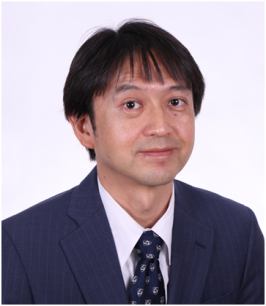
Jun Yoshioka, MD, PhD, a molecular biologist at the CUNY School of Medicine, has been awarded two grants totaling more than $3.1 million over four years from the National Heart Lung and Blood Institute (NHLBI), a division of the National Institutes of Health (NIH). The investigations funded by these grants aim to illuminate the decisive but little-understood role that an ancient family of proteins conserved from yeast to humans may have in heart disease.
Heart disease is the leading cause of death in the United States for women and men across racial and ethnic groups, and its treatment costs the U.S. healthcare system roughly $239.9 billion each year, according to the Centers for Disease Control and Prevention.
Recent advances in cardiac molecular microbiology have suggested the complexity of cardiomyocyte signaling, which requires scaffold proteins to coordinate the cellular processes driven by receptors and transporters. Scaffold proteins, which usually lack intrinsic catalytic activity, bind with target molecules to facilitate signaling events in heart stress and failure.
Two different heart conditions, one potential common denominator
In both NHLBI-funded studies, Dr. Yoshioka is investigating the role of a scaffold protein called the arrestin domain-containing 4 (Arrdc4) in heart diseases. Arrdc4 regulates feedback within the heart to optimize the energy balance between glucose (sugar) and fat under normal circumstances. But under stress—either from coronary artery disease (CAD) or chronic diabetes—the heart seeks additional glucose to support its critical role in pumping blood and oxygen throughout the body. However, as a regulator, Arrdc4 is wired to limit glucose uptake with the stress that the heart is under. In performing its ordinary role, Arrdc4 blocks the transmission of additional glucose, which, in turn, may worsen heart malfunctioning.
“Once we better understand the mechanics of Arrdc4, we can develop interventions that could allow it to ease up on, or stop altogether, its braking mechanism,” Dr. Yoshioka explained. “Doing so could help us prevent, cure, or limit damage from heart disease.” Dr. Yoshioka, who is an associate professor in the Department of Molecular, Cellular, and Biomedical Sciences, received two grants of $1,570,000 apiece.
- The first is designed to study Arrdc4’s role in coronary artery disease, which is when the heart’s arteries narrow and harden, thereby reducing blood and oxygen flow through the heart. Sensing the oxygen reduction, the heart looks for a sugar boost that Arrdc4 naturally blocks.
- The second study is investigating Arrdc4 in diabetic cardiomyopathy, a heart malfunction that can occur in people with diabetes who do not have other cardiac risk factors, such as CAD or high blood pressure. People with diabetes may lack sufficient insulin—the hormone that helps convert glucose into energy—which can cause glucose to build up rather than flow through the heart. In this circumstance, the heart also seeks glucose transport that Arrdc4 blocks.
Both of these conditions result in poor heart function, reduced oxygen flow throughout the body, and possibly death. As a regulator that is universally present in the heart, Arrdc4 may have an influential role in other cardiac conditions too.
Leveraging AI for at-home cardiac care
Further expanding his lab’s portfolio, Dr. Yoshioka is collaborating on a $2.8 million NSF-funded project to develop AI-powered diagnostics for heart disease. The project’s aim is to develop a low-cost, high-precision system that people could use at home for the early diagnosis of cardiovascular disease. Interdisciplinary project partners include Jie Wei, PhD, the principal investigator who is a professor of computer science at the Grove School of Engineering at The City College of New York (CCNY); Bingmei Fu, PhD, professor of Biomedical Engineering at CCNY; Nicholas Madamopoulous, PhD, professor of Electrical Engineering at CCNY; and Yinbin Liang, PhD, from Ohio State University.
After completing his initial clinical training, Dr. Yoshioka started clinical research on nuclear cardiology before shifting his focus to basic research in molecular biology and physiology. His background in clinical cardiology and imaging, combined with the expertise he gained in the basic laboratory, has allowed him to contribute fundamental insights into normal cardiac physiology and its dysregulation in the setting of metabolic disorders. Dr. Yoshioka looks forward to continuing this work.